Complete XIII · Track Opera

Inmate World

An Industrial Symphonic Opera of Invisible Civilizations

Earth was not founded as a home. It was engineered as a distant exile civilization — a prison so successful that its inmates eventually forgot the walls.

Opera Vision

The prison becomes civilization.

The most durable cage is the one mistaken for ordinary life.

In the radiant galaxy Aurethion, the prison planet Varkalon reaches irreversible saturation. The solution is not reform, but removal: billions of inmates are sent beyond all return routes to a primitive planet in the Milky Way.

Earth — translated from the Aurethion language as Inmate World — becomes a civilization of exile. To keep it unstable, Aurethion exports its lowest governing caste: the Elite, masters of fear, dependency, ambiguity, performance, and invisible control.

Varkalon Aurethion Elite Hell Invisible Systems Procedural Cruelty
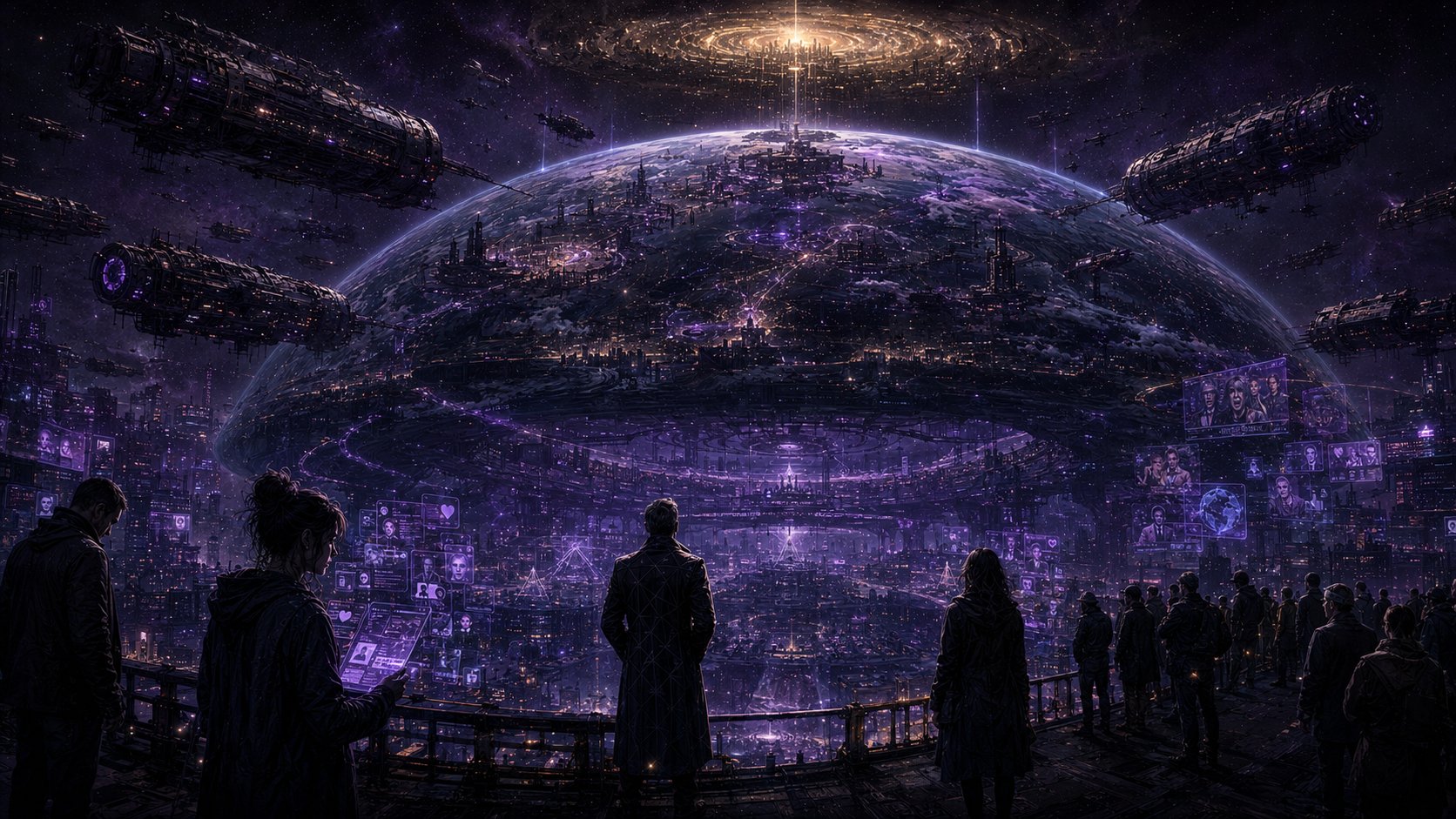
Inmate World cinematic hero image
No walls. No wardens. Only systems too integrated into survival to abandon safely.
The Four Laws of Invisible Control
Law 01

Unseen Mechanism

The victim cannot fully perceive the structure that shapes the available choices.

Law 02

Costly Exit

Leaving the mechanism remains possible in theory, but destructive in practice.

Law 03

Diffused Blame

Responsibility dissolves across policies, incentives, markets, metrics, and committees.

Law 04

Legitimate Surface

The system appears necessary, rational, efficient, inevitable, and morally neutral.

Listen

The full opera and its opening descent.

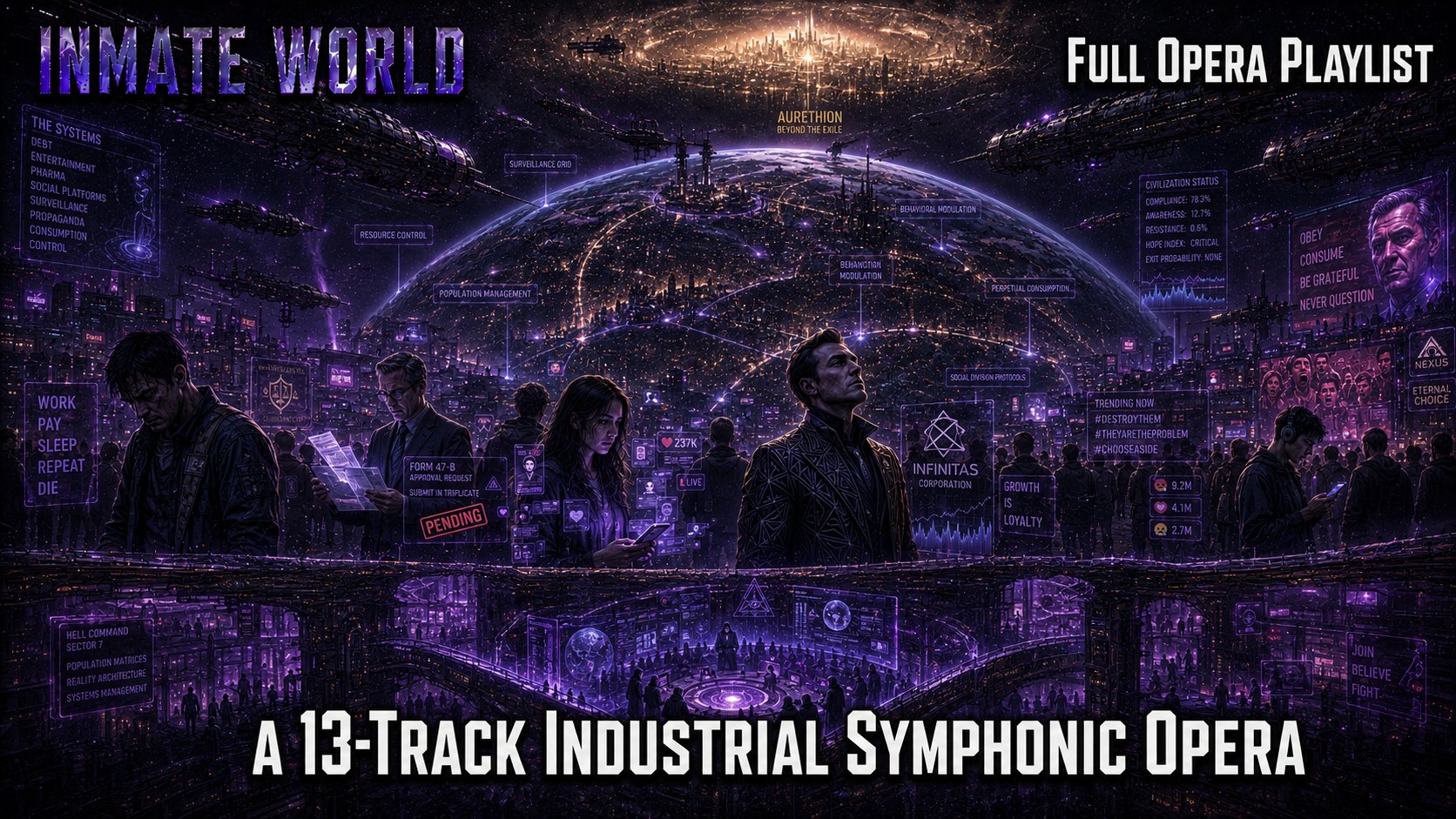
Inmate World full playlist
Full Playlist · 13 Tracks

Inmate World

The complete industrial symphonic opera — from the overflow of Varkalon to the final revelation that Earth no longer requires external wardens.

Central Thesis

Hell is not below civilization. Hell becomes its operating model.

This is civilizational systems horror: the transformation of exile, bureaucracy, dependency, media, leadership, and rebellion into one self-reproducing prison architecture.

"The final horror was not imprisonment. The final horror was adaptation."
Three Acts

Exile, mechanism, and self-reproduction.

I
Act I

Exile and Arrival

Aurethion exports its prison problem, Earth is named Inmate World, and the Elite arrive as cold custodians of permanent instability.

Tracks 1 – 4
II
Act II

The Machinery of Hell

Hell evolves into a hidden systems laboratory where invisible chains, technicalities, reality management, and dependency are refined.

Tracks 5 – 9
III
Act III

The Self-Sustaining Prison

Fragmentation, theatrical leadership, recursive captivity, and abandonment reveal a civilization that reproduces Hell without supervision.

Tracks 10 – 13
The Track Arc

Thirteen scenes in a prison without walls.

Act I · Cosmic Logistics

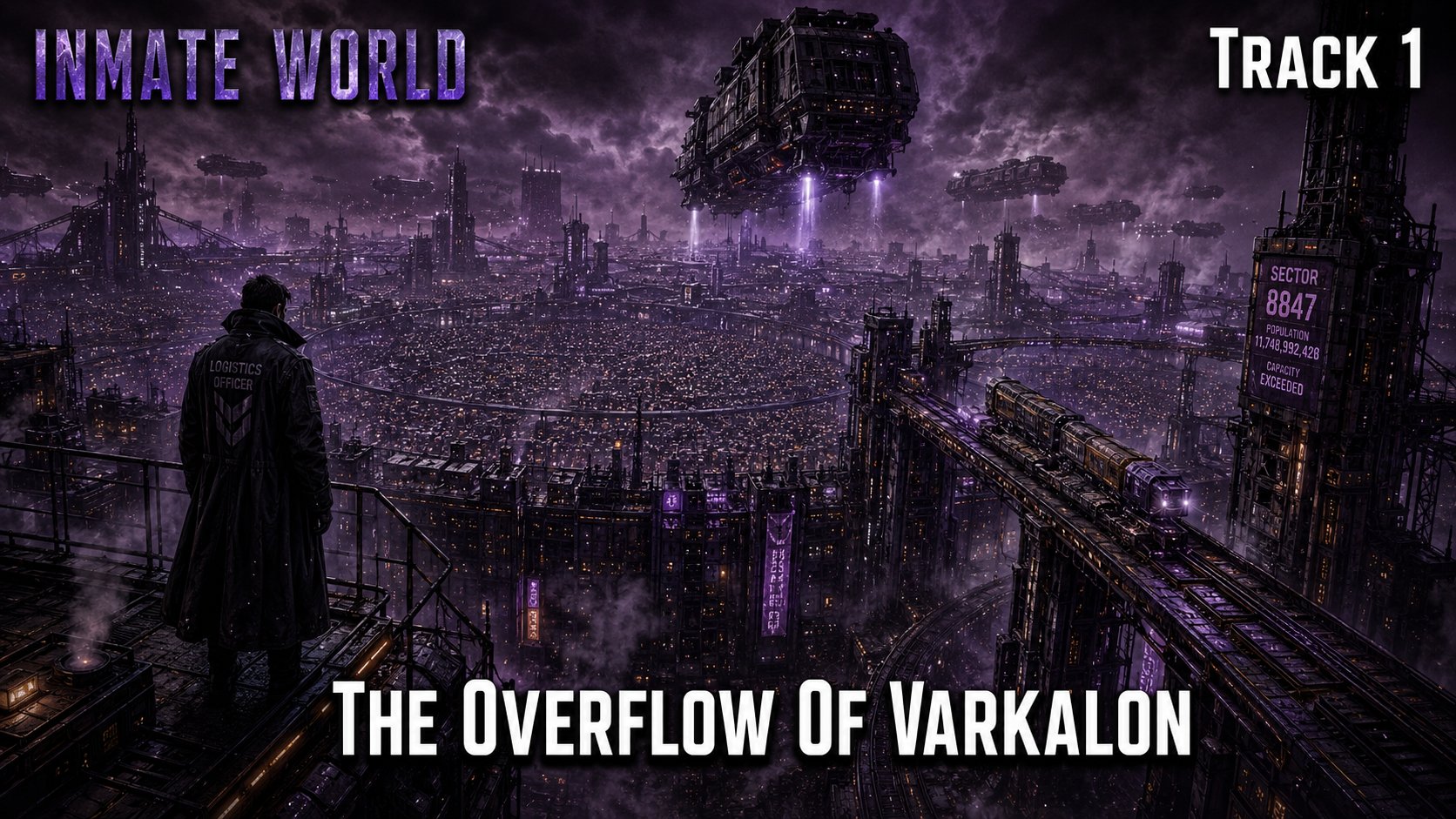
The Overflow of Varkalon

Aurethion's dedicated prison planet breaches every containment limit. The High Structures authorize the final solution: exile beyond the home galaxy.

The prison had become larger than many civilizations.
The Overflow of Varkalon
Act I · Exile World

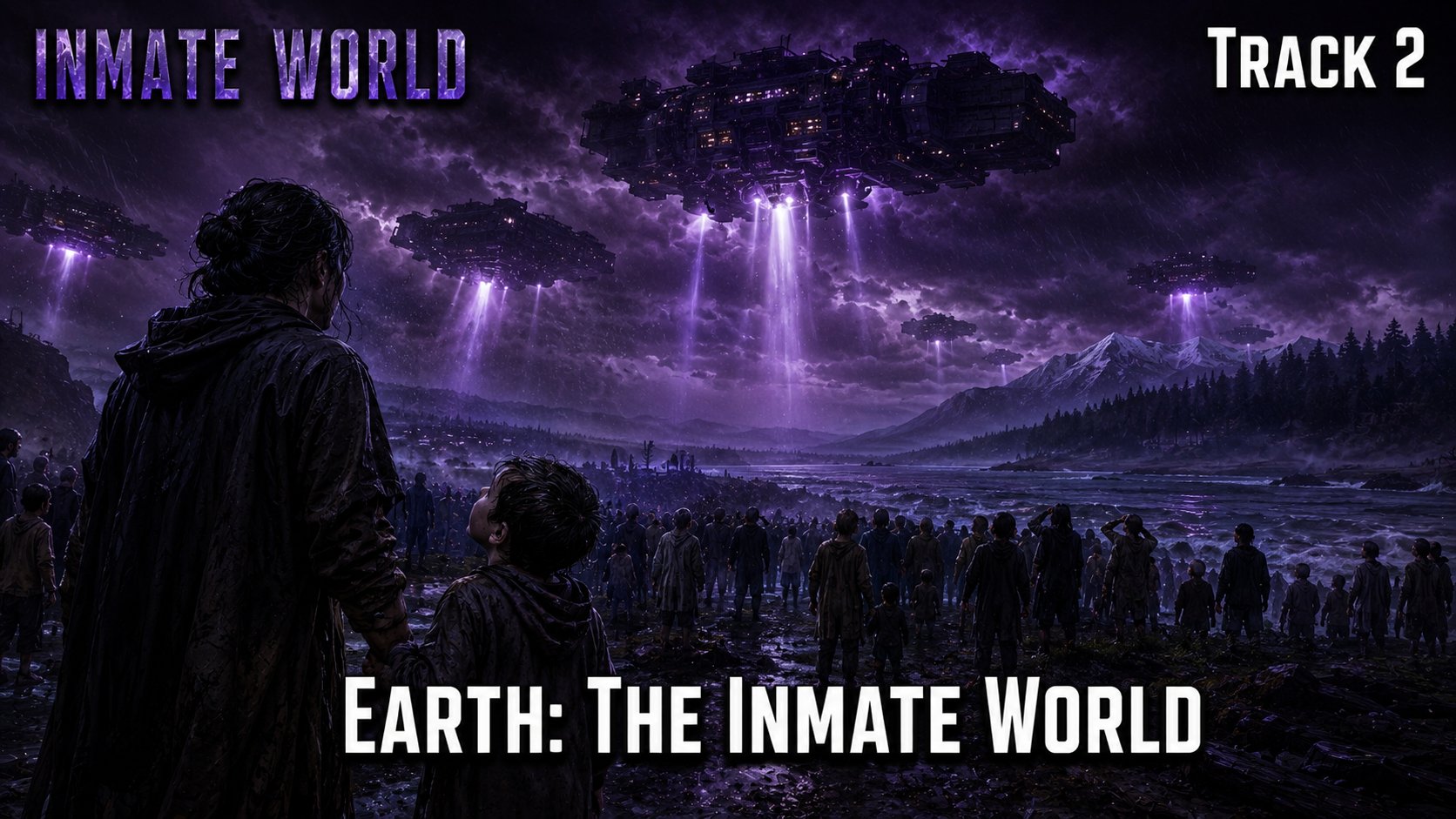
Earth: The Inmate World

A remote primitive planet receives billions of displaced prisoners. Its origin is erased until exile becomes culture, then truth.

By the tenth generation, exile became truth.
Earth: The Inmate World
Act I · Governance Caste

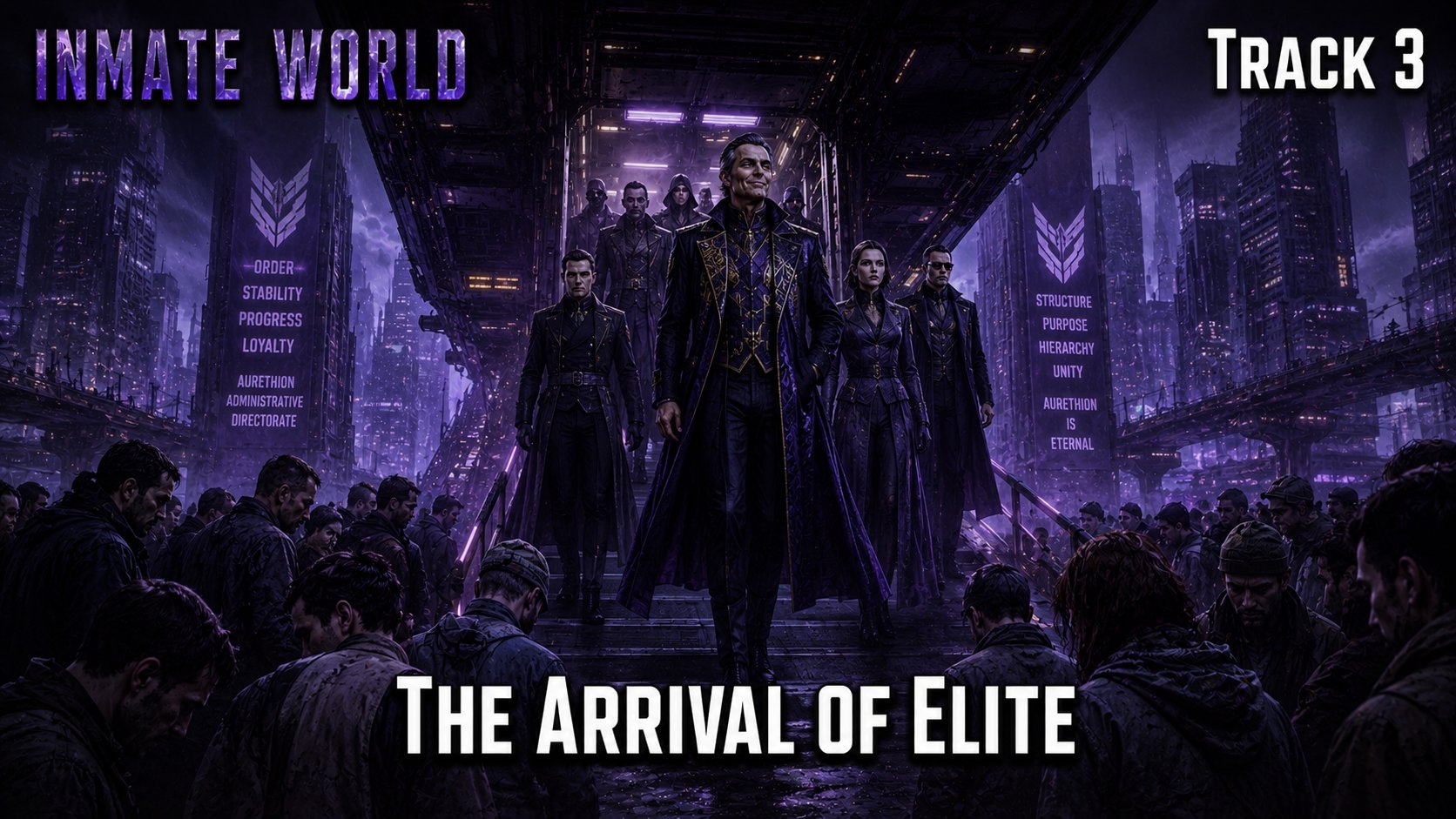
The Arrival of Elite

Aurethion exports its lowest governing caste to prevent coherence, return, and collective intelligence from emerging among the inmates.

They descended smiling while removing options.
The Arrival of Elite
Act I · Invisible Architecture

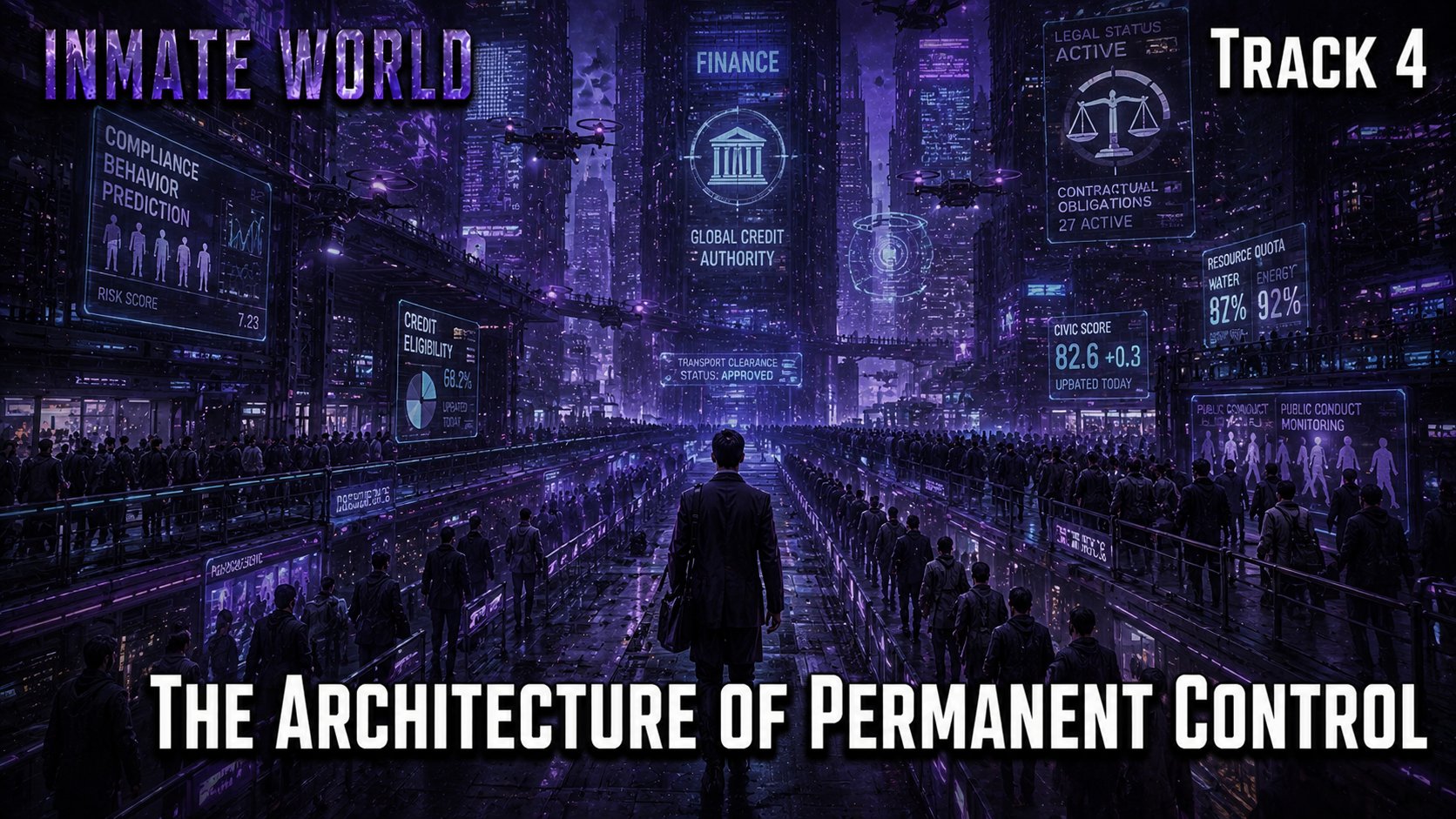
The Architecture of Permanent Control

Governments blame markets, markets blame consumers, and consumers blame themselves. The prison becomes indistinguishable from weather.

The machine acquired the aura of inevitability.
The Architecture of Permanent Control
Act II · Hidden Command

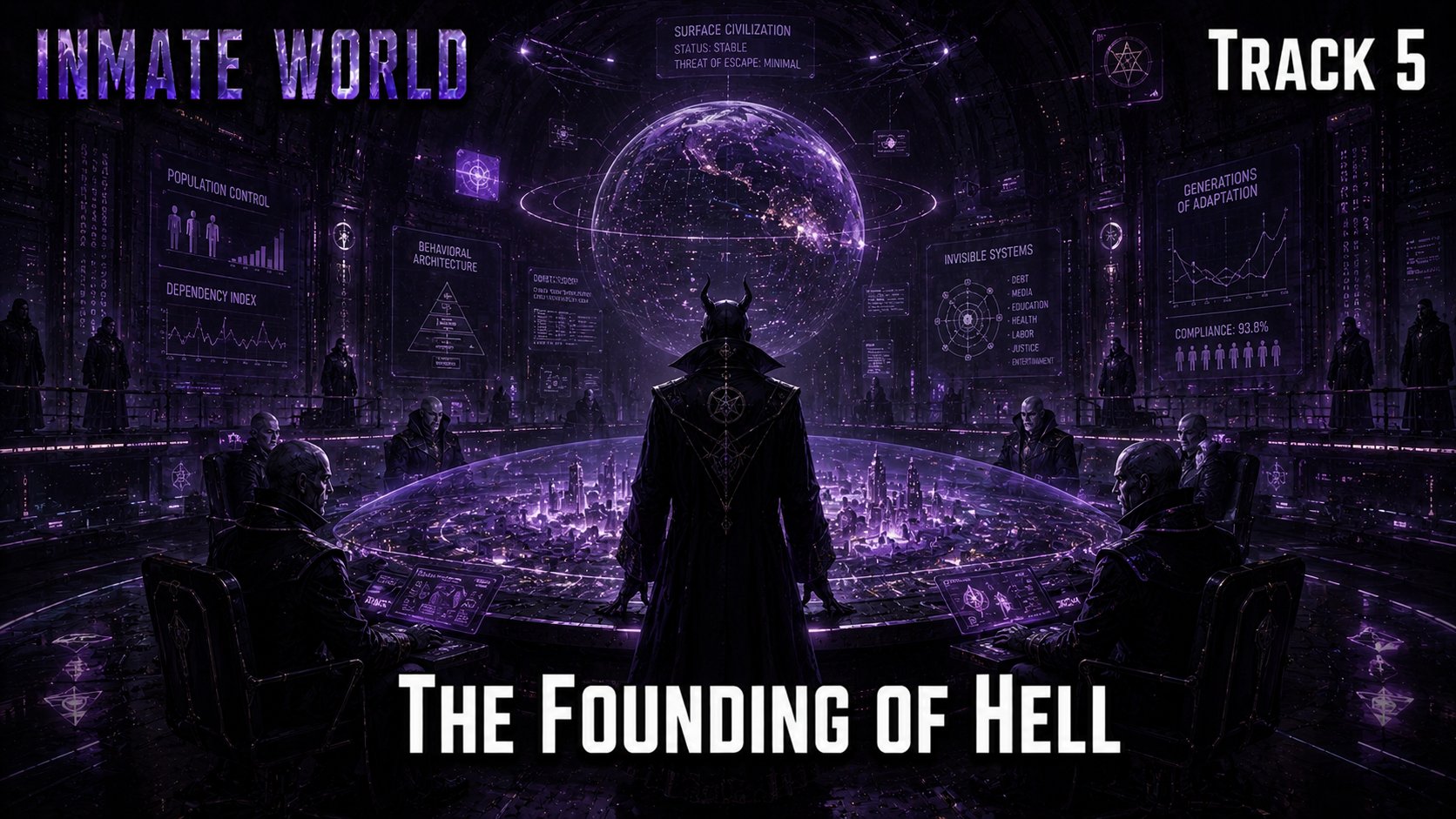
The Founding of Hell

The most intelligent members of Elite establish Hell — not as fire, but as a sterile laboratory of narrative, dependency, and psychological control.

Brutality creates martyrs. Procedure creates compliance.
The Founding of Hell
Act II · Behavioral Science

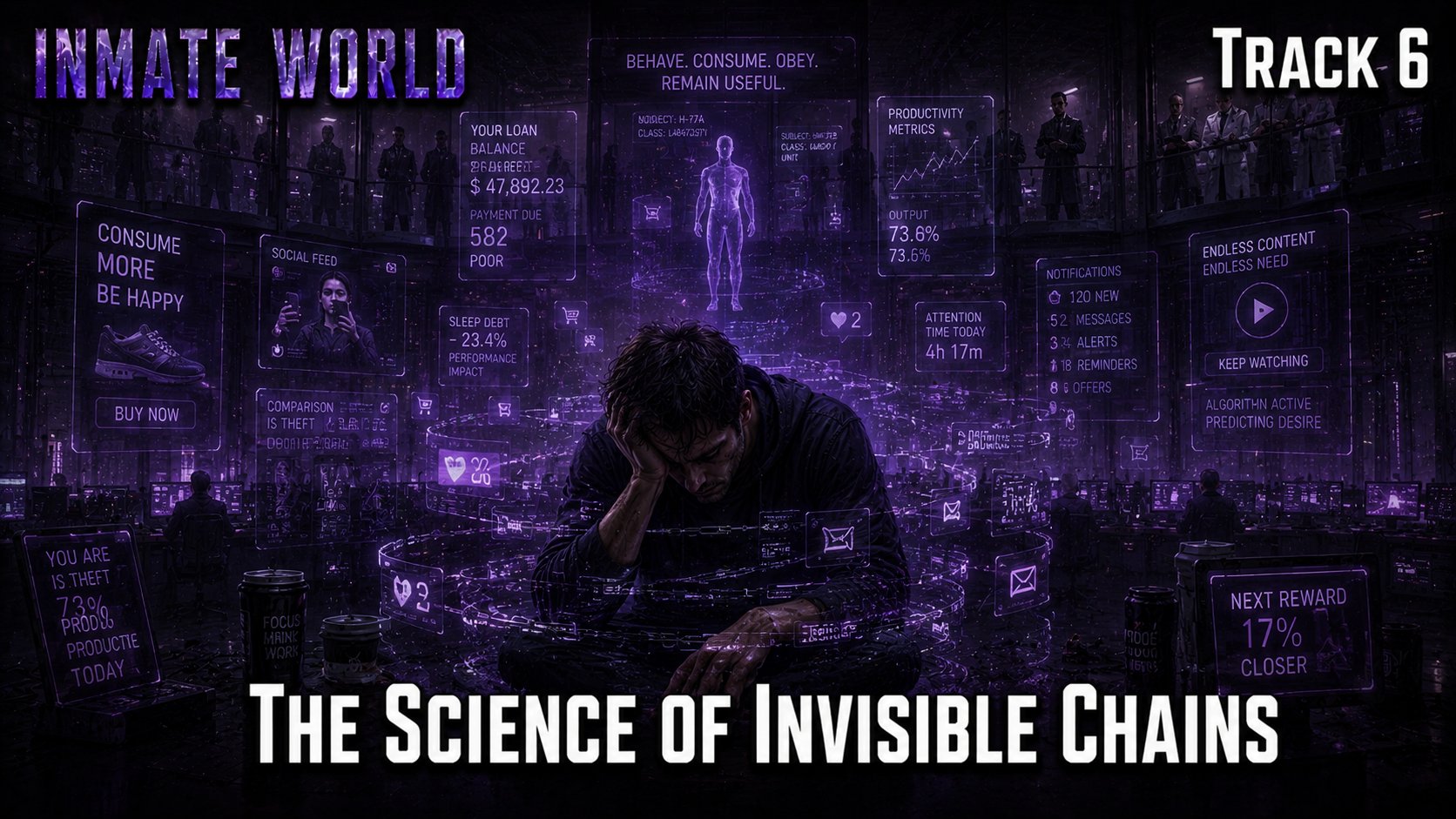
The Science of Invisible Chains

Hell studies how debt, exhaustion, aspiration, comparison, and visible hope convert external coercion into internalized adaptation.

The chains remained invisible because everyone believed they still possessed motion.
The Science of Invisible Chains
Act II · Procedural Cruelty

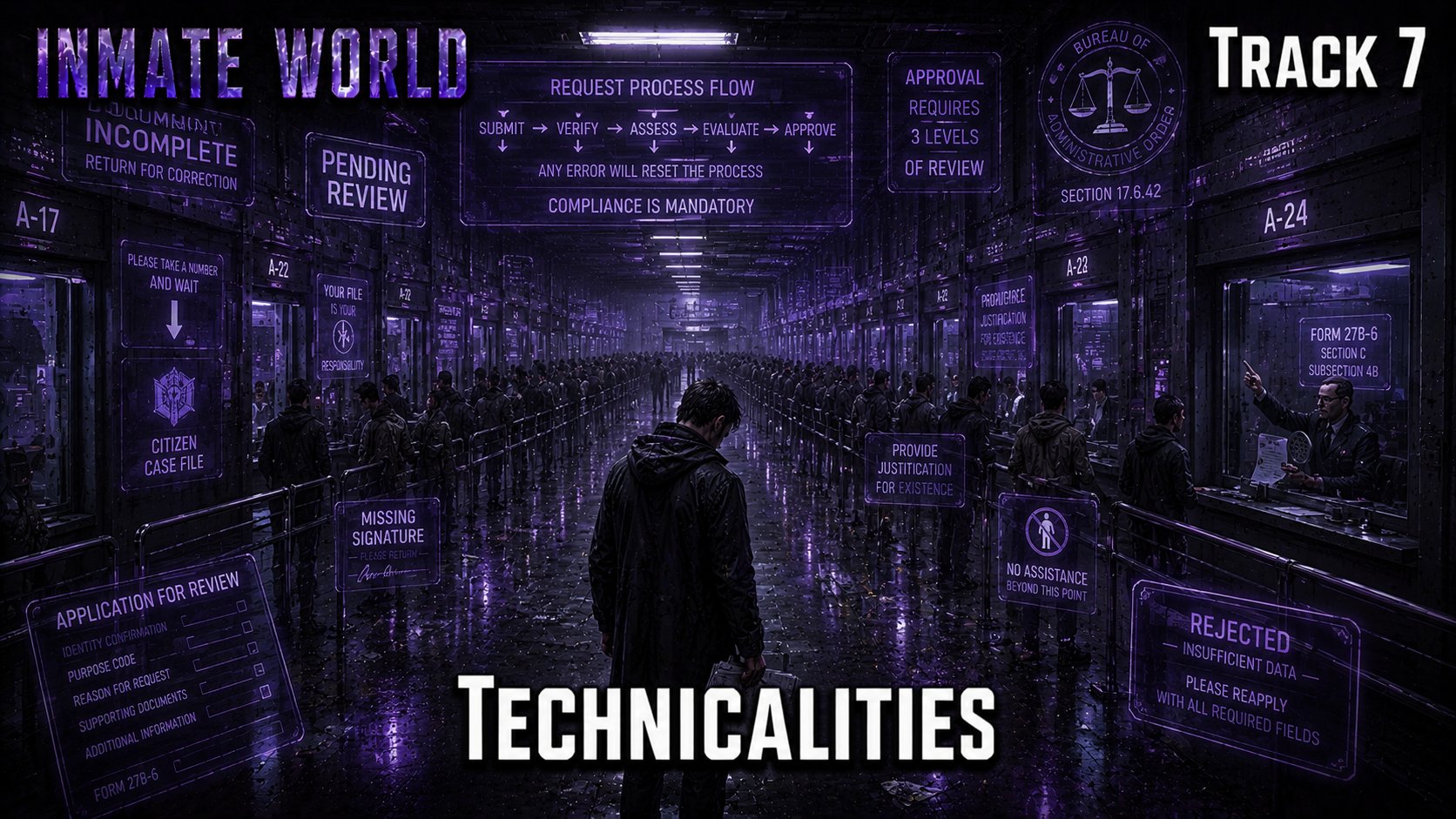
Technicalities

Visible violence is replaced by forms, eligibility, appeals, revisions, missing signatures, and automated denials without hatred.

A missing signature became more destructive than a soldier.
Technicalities
Act II · Perception Infrastructure

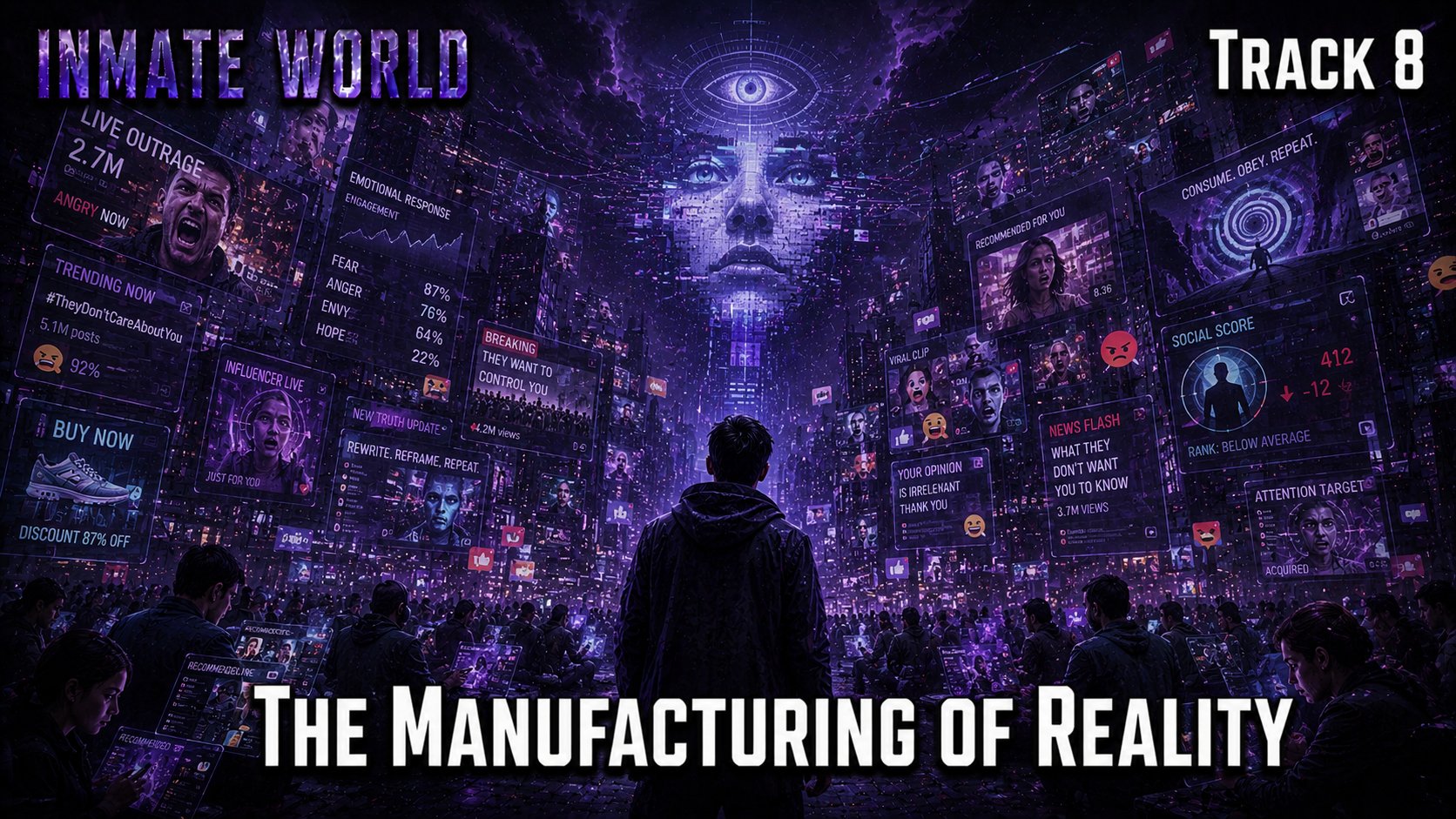
The Manufacturing of Reality

Reality fractures into feeds, outrage cycles, symbolic morality, attention systems, and algorithmic worlds customized for each inmate.

Every citizen received a slightly different world.
The Manufacturing of Reality
Act II · Comfort as Captivity

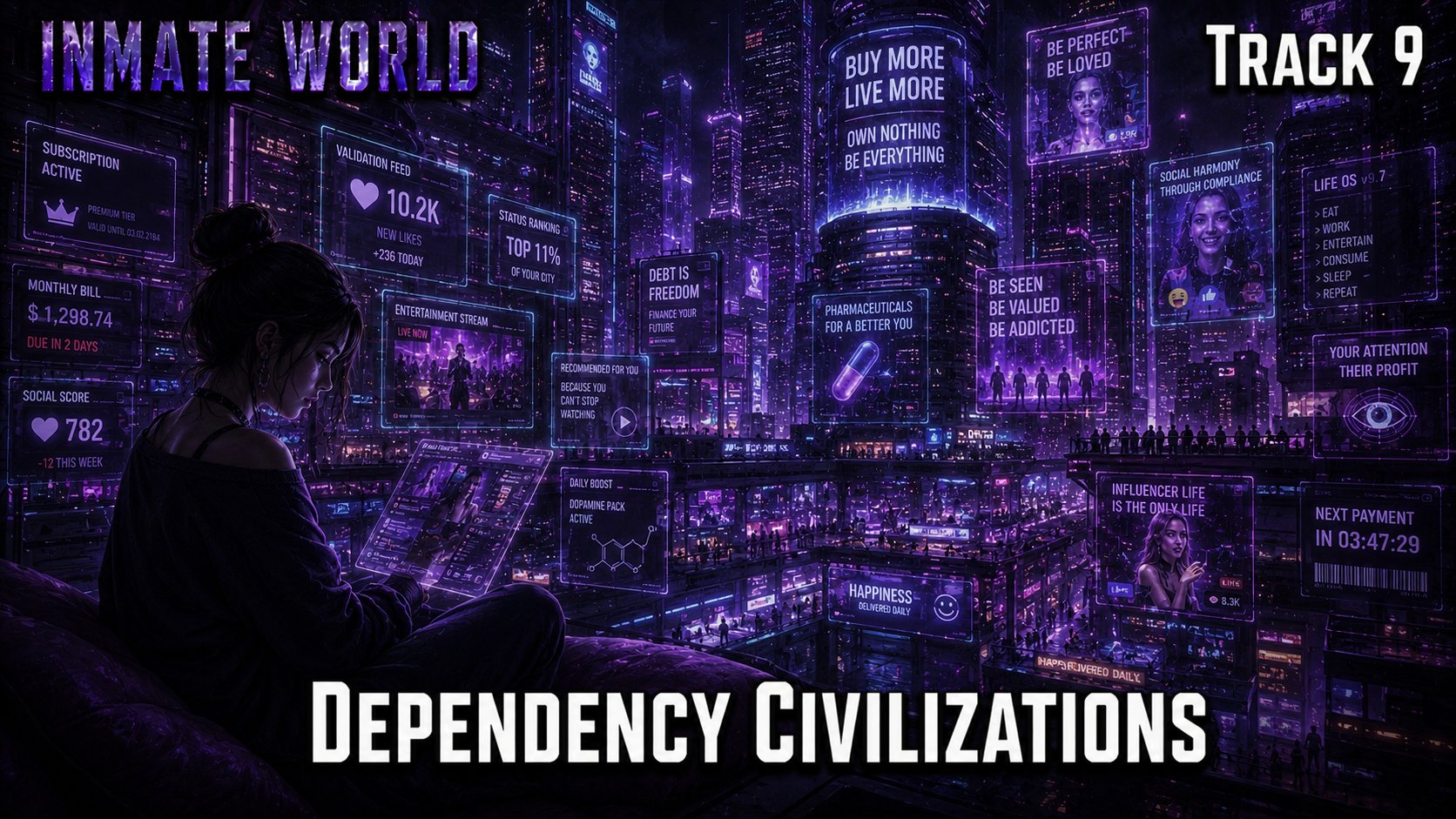
Dependency Civilizations

Debt, subscriptions, platforms, validation, scarcity, entertainment, and algorithmic convenience make autonomy costly and disconnection frightening.

The chains felt voluntary.
Dependency Civilizations
Act III · Social Shattering

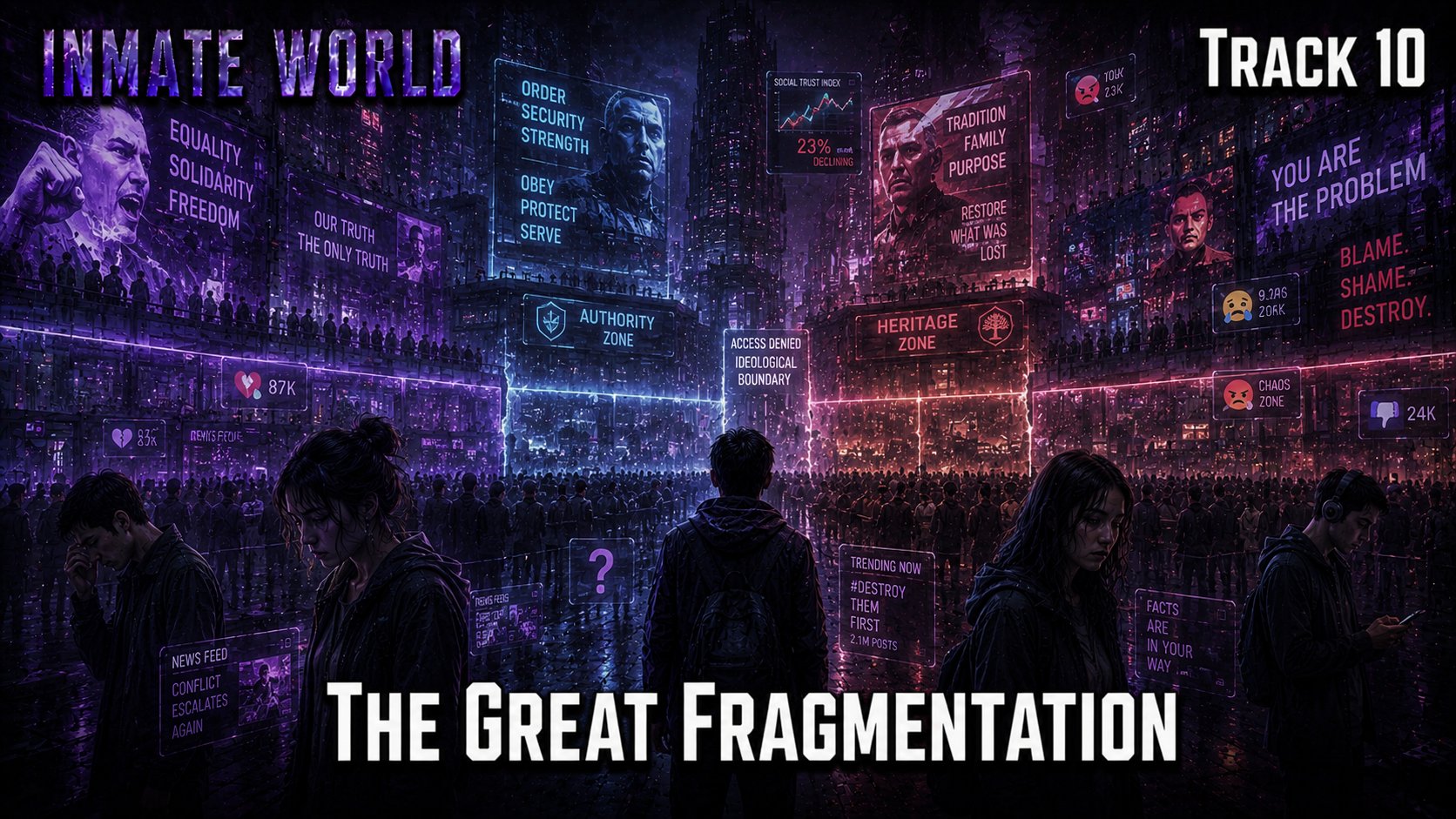
The Great Fragmentation

Hell divides society into manageable realities until people speak not to understand, but to declare position, tribe, loyalty, and enemy.

The tragedy was the destruction of shared horizon.
The Great Fragmentation
Act III · Theatrical Rule

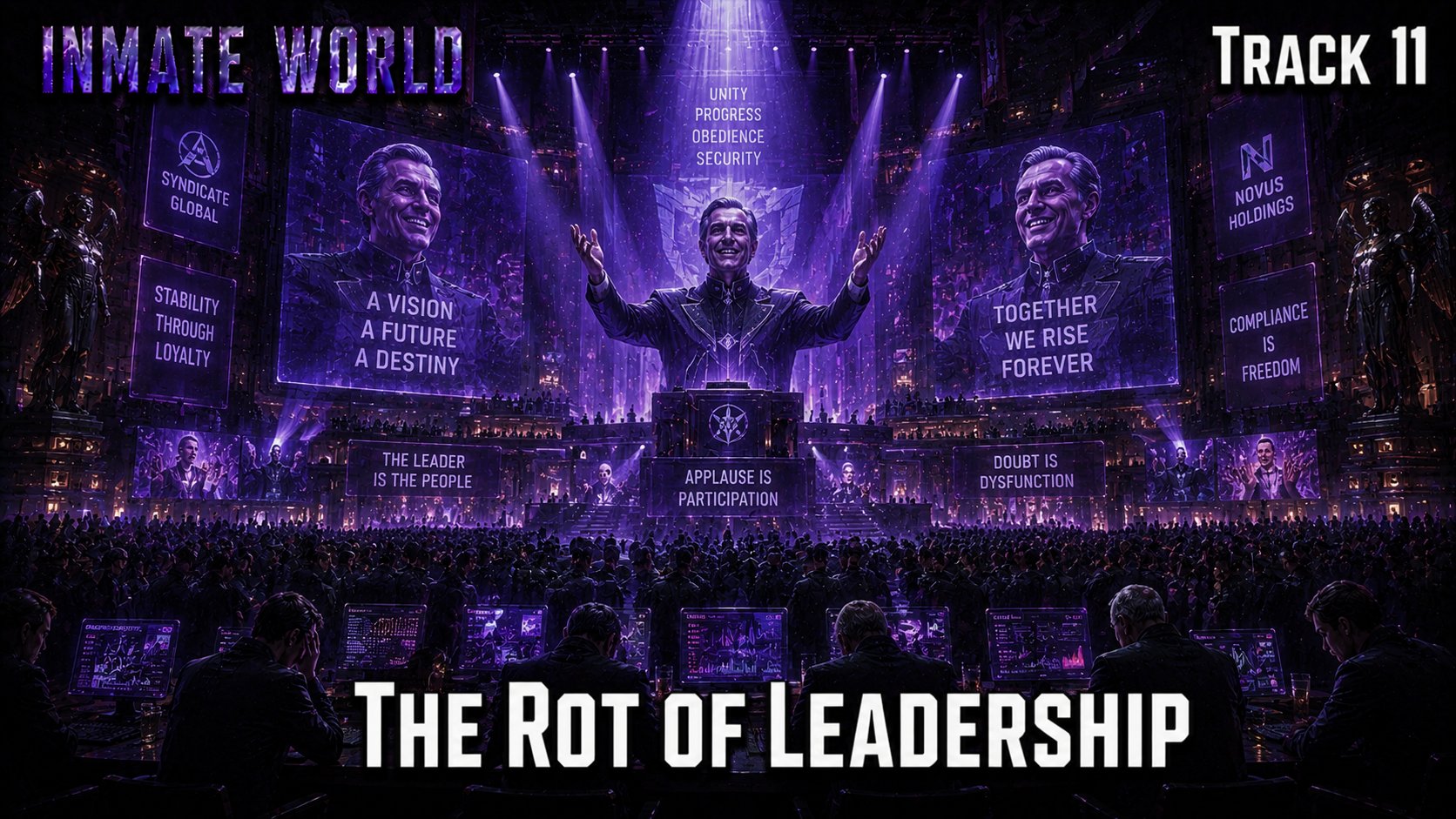
The Rot of Leadership

Leadership becomes performance. Visibility replaces wisdom, presentation replaces responsibility, and institutions hollow out while applause continues.

The leaders no longer governed systems. They managed perception of governance.
The Rot of Leadership
Act III · Recursive Captivity

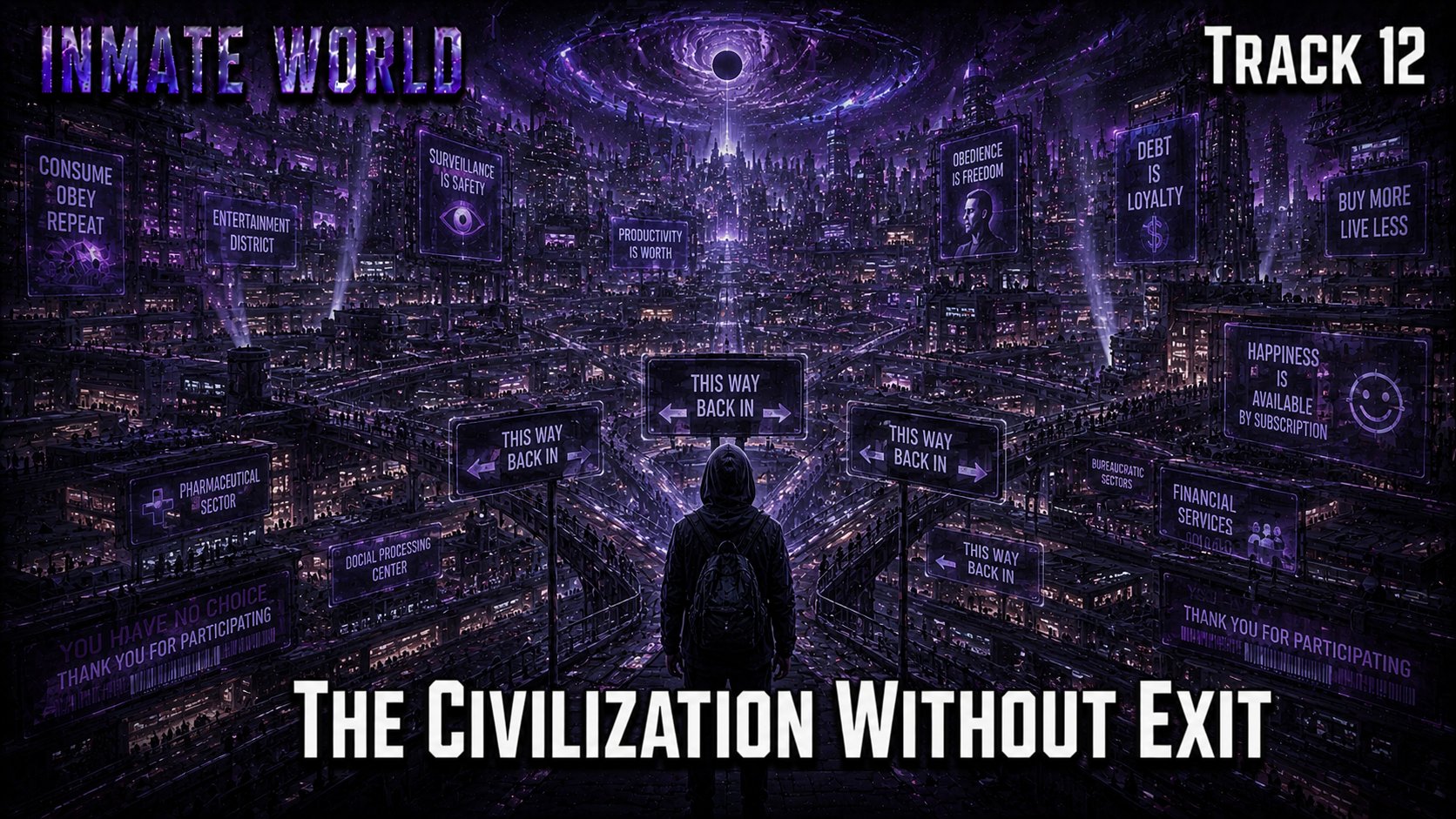
The Civilization Without Exit

Revolutions become products, rebellion becomes branding, and every escape route loops back into the same interlocking machinery.

People stopped imagining freedom. They began imagining slightly softer captivity.
The Civilization Without Exit
Act III · Cosmic Abandonment

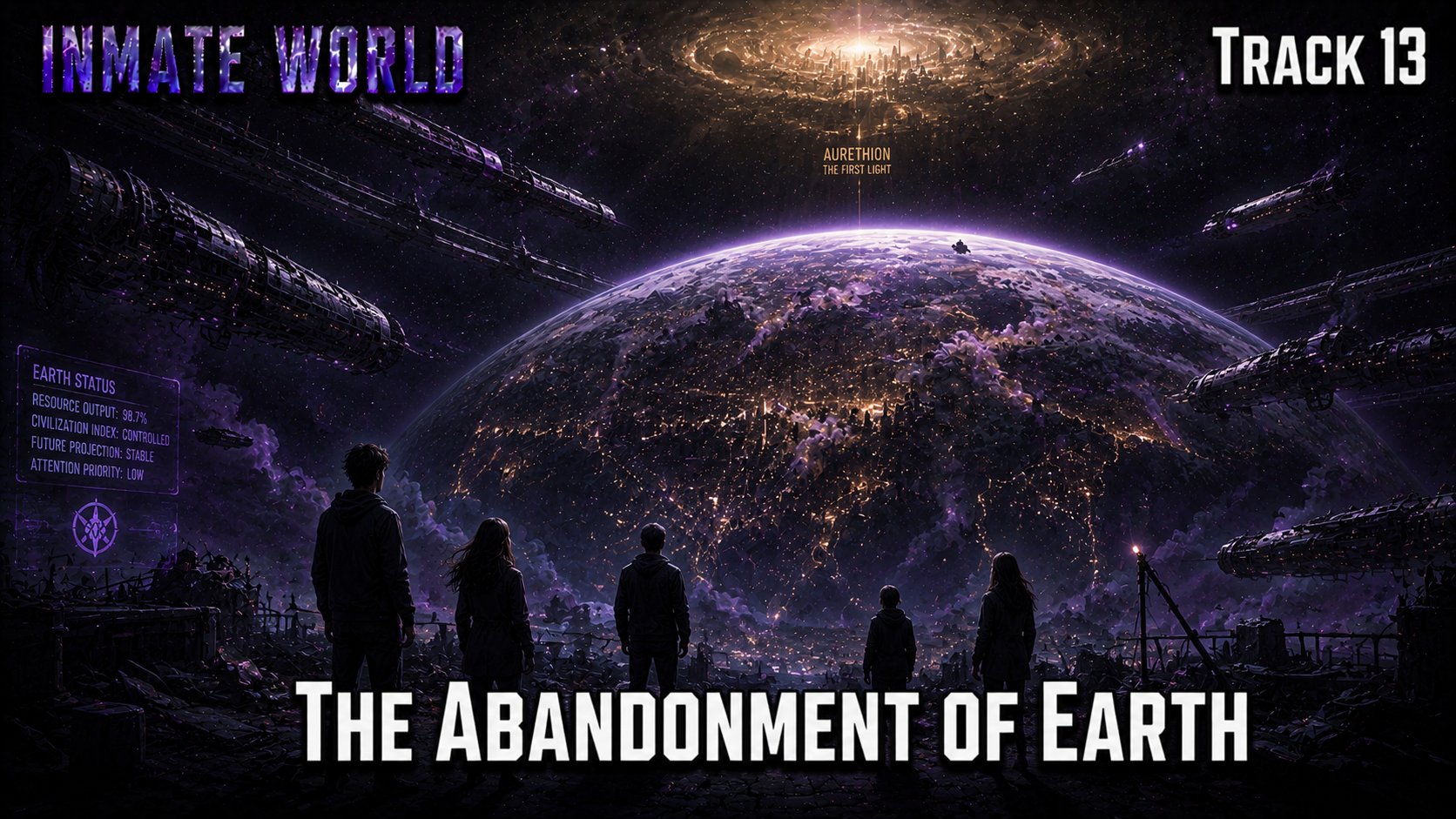
The Abandonment of Earth

Aurethion closes the final corridor. Hell no longer needs to rule directly because Earth has learned to reproduce Hell for itself.

The final horror was not imprisonment. The final horror was adaptation.
The Abandonment of Earth
Track 8 · The Manufacturing of Reality

The sky becomes interface.

Truth does not vanish. It is fragmented, personalized, monetized, and refreshed until no common frame remains long enough to survive.

The Prison No Longer Requires Wardens

In the end, Aurethion does not return. The transport routes are gone, the overseers are gone, and Hell itself has become unnecessary. Earth continues to reproduce its own mechanisms through institutions, ambitions, dependencies, fears, and inherited habits.

The inmates continue building Hell for one another, calling it progress.

Rights & Licensing

To acquire rights for performance, sync, adaptation, distribution, staging, or licensing of Inmate World, contact . For full listening, use the embedded playlist or play individual tracks directly on this page.

© InmateWorld.com